
Make Every Inch Count: Vertical Gardens for Tiny Balconies
Chosen theme: Maximizing Balcony Space with Vertical Garden Systems. Explore creative strategies, practical setups, and heartfelt stories that turn narrow ledges into lush, productive walls. Subscribe for weekly balconyVertical tips, share your progress photos, and tell us which vertical system you’re excited to try first.
Measure, map, and mark
Grab a tape measure and note wall height, railing thickness, and usable corners. Mark potential anchor points and leave walkway clearance. A quick sketch helps you visualize stacking planters, trellises, and shelves to maximize balcony space efficiently and safely. Share your sketch, and we’ll help refine it.
Light zones by height
Top tiers often get the strongest light, perfect for sun-loving tomatoes or strawberries, while lower tiers suit mint, parsley, or lettuces. Track sun hours for a week and design your vertical garden accordingly. Comment with your light map, and we’ll suggest plant tiers that thrive on your balcony.
Anchoring with safety in mind
Check building rules before drilling. Consider pressure-fit frames, tension poles, or rail clamps to avoid permanent holes. Use stainless hardware and distribute weight across multiple points. When uncertain, consult a pro. Ask questions below about safe anchors for brick, stucco, or wood, and we’ll guide you carefully.

Choose the Right Vertical Hardware
Modular panels with removable pots make swaps effortless, while fabric pocket planters save weight and wick moisture evenly. Combine both: pockets for herbs, modular pots for vegetables. If you rotate crops seasonally, these systems shine. Tell us your preferred mix, and we’ll suggest a layout that fits perfectly.
Choose the Right Vertical Hardware
Slim trellises, steel cables, and grid panels guide beans, cucumbers, peas, or jasmine upward, freeing floor space. Use soft plant ties and pruning to control growth. A cable kit can transform blank walls into living tapestries. Post your wall dimensions, and we’ll recommend an elegant, strong climbing setup.
Choose the Right Vertical Hardware
Hook-on racks and over-rail planters are rental-friendly and require no drilling. Add rubber pads to protect paint and reduce vibration. Stagger heights for airflow and harvest access. Share a photo of your railing profile, and we’ll help match a system that maximizes space without annoying building managers.
Compact edibles that climb or cascade
Choose dwarf tomatoes like Tumbling Tom, chilies, strawberries in towers, and thyme spilling from pockets. Train cucumbers up strings to spare floor space. Mix fast basil with slower eggplants for staggered harvests. What’s your favorite balcony variety? Share it, and we’ll pair companions that thrive vertically together.
Flowers that soften the structure
Nasturtiums, petunias, and ivy geraniums cascade over edges, turning trellises into living curtains. They attract pollinators to improve yields for balcony tomatoes and peppers. Edible blossoms add color to salads. Upload a photo of your blooms, and we’ll suggest new varieties that fit your vertical garden’s light and wind.
Microgreens and other quick wins
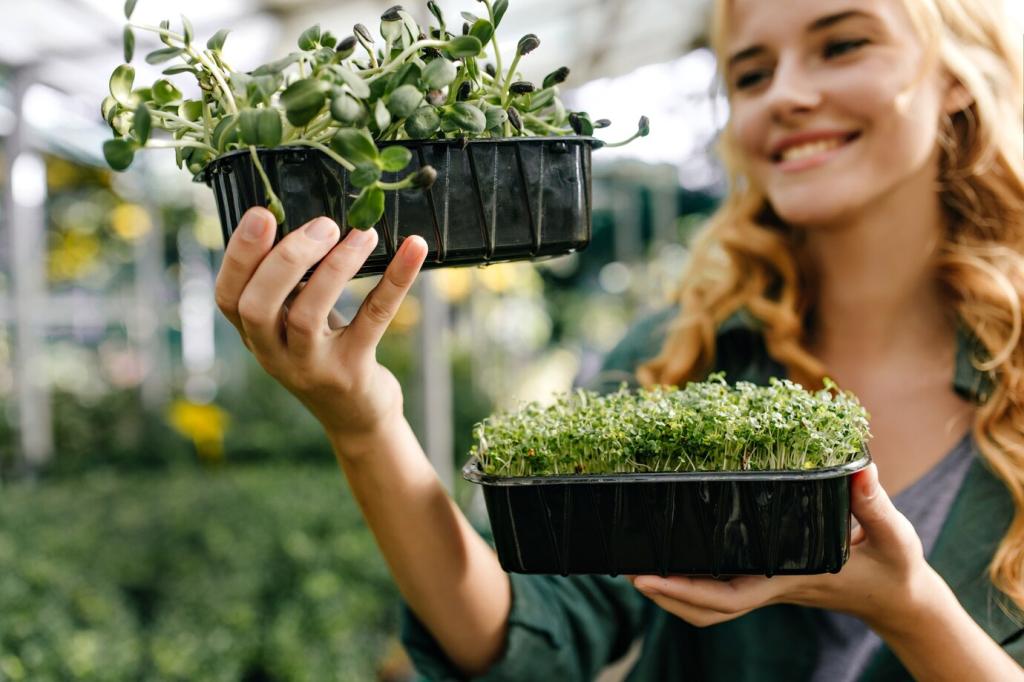
Stack shallow trays of microgreens on a vertical shelf for weekly harvests in minimal space. Sow radish, pea shoots, or sunflower kernels for rapid results. Rotate trays to ensure continuous greens. Start a microgreen tray today and comment with your timeline; we’ll map a sowing schedule tailored to you.
Water, Soil, and Easy Care
Drip lines and discreet reservoirs
A small timer with drip lines delivers consistent moisture, reducing waste and plant stress. Self-watering reservoirs buffer heat waves and vacation gaps. Test for leaks before hanging. Many growers report water savings of thirty to fifty percent. Ask below for a simple parts list and routing tips for renters.
Light mixes that still hold moisture
Blend coco coir, compost, and perlite for a light, airy substrate that drains well yet retains moisture. Add slow-release organic fertilizer and top with mulch to reduce evaporation. Weigh planters before installing high. Post your mix recipe, and we’ll suggest tweaks for your climate and vertical system type.
A five-minute weekly routine
Prune lightly, deep-water once, wipe dusty leaves, re-tie vines, and inspect for pests. Snap quick photos to track progress and catch issues early. Set smartphone reminders to stay consistent. Want our printable checklist for vertical gardens? Subscribe and reply with “Checklist,” and we’ll send it straight away.

Microclimate Magic on the Balcony
Log sun hours for a week, then place sun-lovers high. A pale wall or reflective panel can bounce light into shade pockets, boosting growth. Avoid intense mirrors that scorch leaves. Share your sun map and wall color, and we’ll suggest reflectors that safely brighten your vertical garden’s lower tiers.
Microclimate Magic on the Balcony
Wind can desiccate leaves and topple planters. Add lattice screens, coir-lined panels, or trailing plants to soften gusts while preserving ventilation. Anchor frames securely and choose flexible ties. What’s your windiest balcony moment? Tell us, and we’ll recommend wind-smart vertical systems that keep plants upright and hydrated.
A Real Balcony, Transformed
On Friday evening, we measured a 1.2-square-meter balcony, added a pressure-fit trellis, a pocket panel, and two hook-on rail planters. By Sunday, basil perfumed the air, tomatoes dangled above eye level, and the floor stayed open. Share your weekend goals, and we’ll draft a simple, achievable vertical action plan.

A Real Balcony, Transformed
Tumbling Tom tomatoes crowned the rail, mint and basil filled pockets, and dwarf beans climbed the trellis. Morning sun powered fruiting; afternoon shade cooled greens. Bees found us within days. Tell us your light pattern and tastes, and we’ll suggest a planting palette that fits your vertical system beautifully.
Safety, Weight, and Permissions
Balcony load capacities vary widely, so avoid heavy, waterlogged soil and group planters across supports. Use lightweight mixes and spread weight along rails and walls. When uncertain, err on the lighter side and consult guidance. Ask your building manager for details, then share them here for personalized suggestions.
Safety, Weight, and Permissions
Add saucers, run-off diverters, and tidy watering habits to prevent drips onto balconies below. Sweep spilled soil promptly and angle planters to control flow. Being considerate builds goodwill for bigger projects. Comment with your drainage challenges, and we’ll recommend vertical setups that keep everyone happy, dry, and supportive.

Seasonal Swaps for Year-Round Green
Start seedlings indoors, then plant tomatoes, cucumbers, and basil high where light is strongest. Install trellises early so vines climb cleanly. Add shade cloth during heat spikes. Share your first harvest photo, and we’ll suggest midseason pruning moves to keep your vertical system fruiting and tidy all summer.
Seasonal Swaps for Year-Round Green
Swap heat-lovers for kale, chard, and parsley. Move planters closer to walls for warmth and use fleece on frosty nights. Continue microgreens indoors near the balcony door. Tell us your winter daylight hours, and we’ll propose shade-tolerant vertical crops that keep your balcony lively through the colder months.
Seasonal Swaps for Year-Round Green
Label varieties, dry seeds carefully, and clean panels before storage. Compost spent roots and refresh mixes for spring. Sketch new trellis lines and pocket rows now. Subscribe for our seasonal vertical calendar, and comment with your goals so we can tailor next year’s balcony blueprint to your exact space.